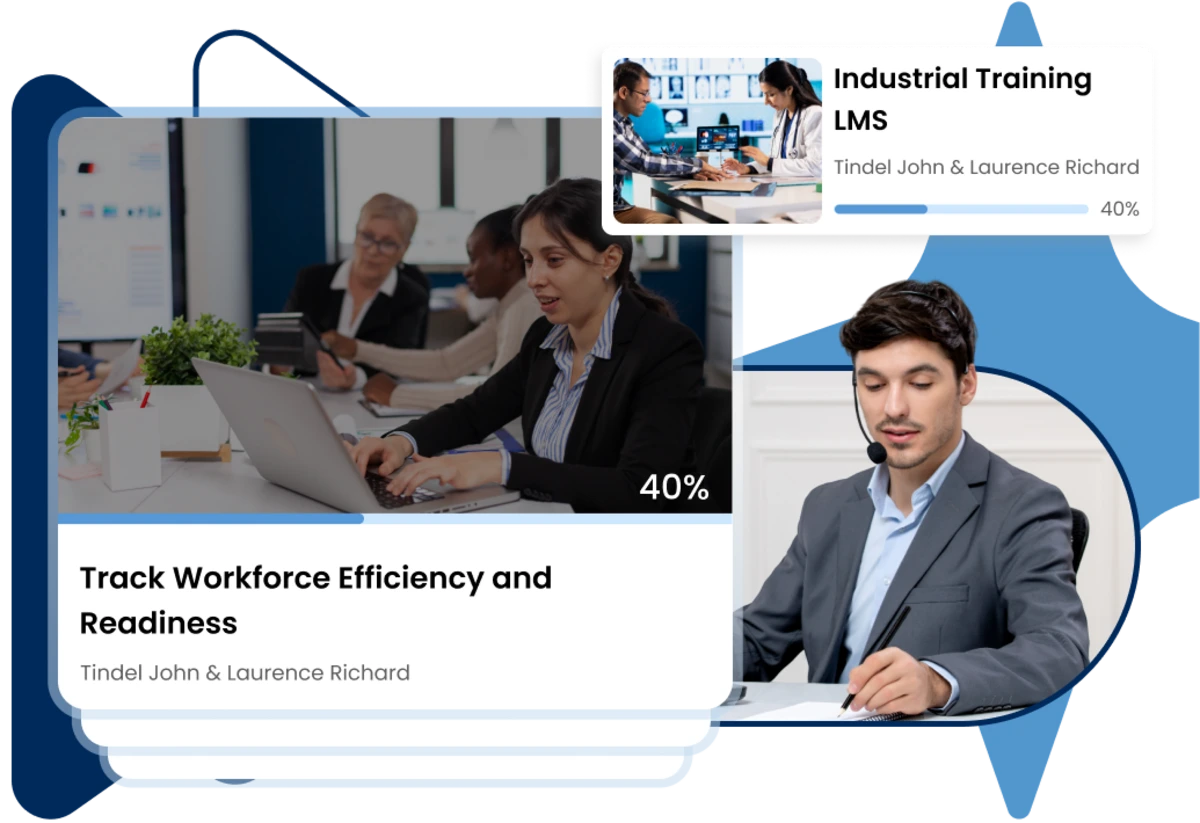
Why do industries need an LMS?

Industries need LMS solutions to train large, shift-based workforces, prevent downtime, and ensure every worker meets equipment, safety, and compliance requirements.

Plant safety compliance programs

Deliver digital safety drills, hazard management courses, and recertifications that keep factory workers updated with OSHA, ISO, or industry-specific compliance regulations.

Machinery operation training

Guide technicians and operators through machine handling, preventive maintenance, and troubleshooting modules, reducing equipment misuse and downtime.

Lean manufacturing training

Provide structured modules on lean processes, Six Sigma, and workflow optimization to reduce waste, improve efficiency, and sustain industrial growth.

Workforce upskilling for automation

With e-KHOOL LMS, workers gain practical knowledge in IoT-enabled machinery, predictive maintenance, and connected systems for modern plants.

Quality assurance and GMP training

Train employees on Good manufacturing practices, ISO standards, and product quality checks to ensure output meets global benchmarks.

Shift-Based learning modules

Enable learning schedules aligned with plant shifts, ensuring workers complete compliance and safety courses without disrupting production cycles.

Advantages of e-KHOOL LMS for industries

e-KHOOL LMS transforms industrial operations by building safer plants, improving process efficiency, and preparing workers for modern manufacturing challenges.

Reduced equipment downtime

Training modules teach operators preventive maintenance practices, ensuring fewer breakdowns and smoother production.
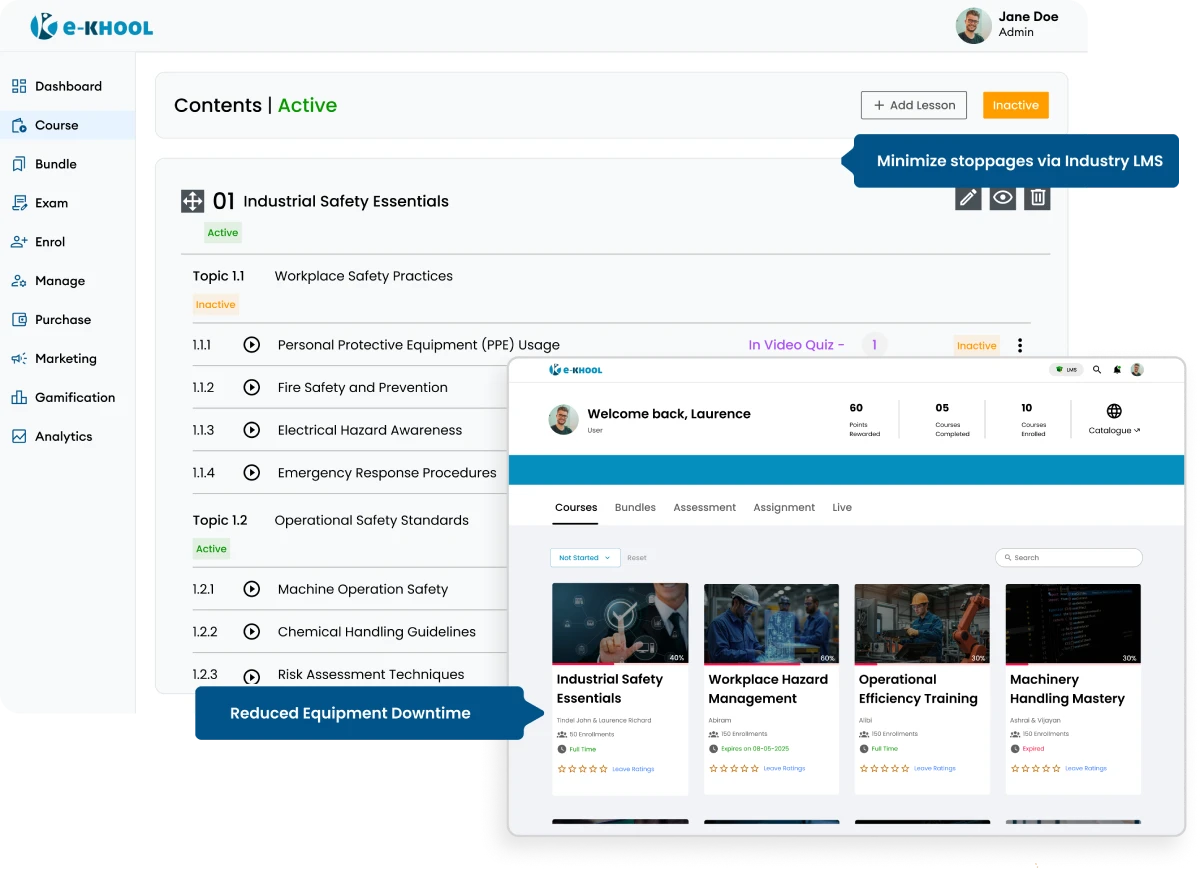
Reduced Equipment Downtime in Industry LMS
Industrial LMS Equipment Time Reduction

Accident-Free workplace

Simulation-based safety modules prepare workers for emergencies, lowering risks of accidents across high-risk industrial zones.
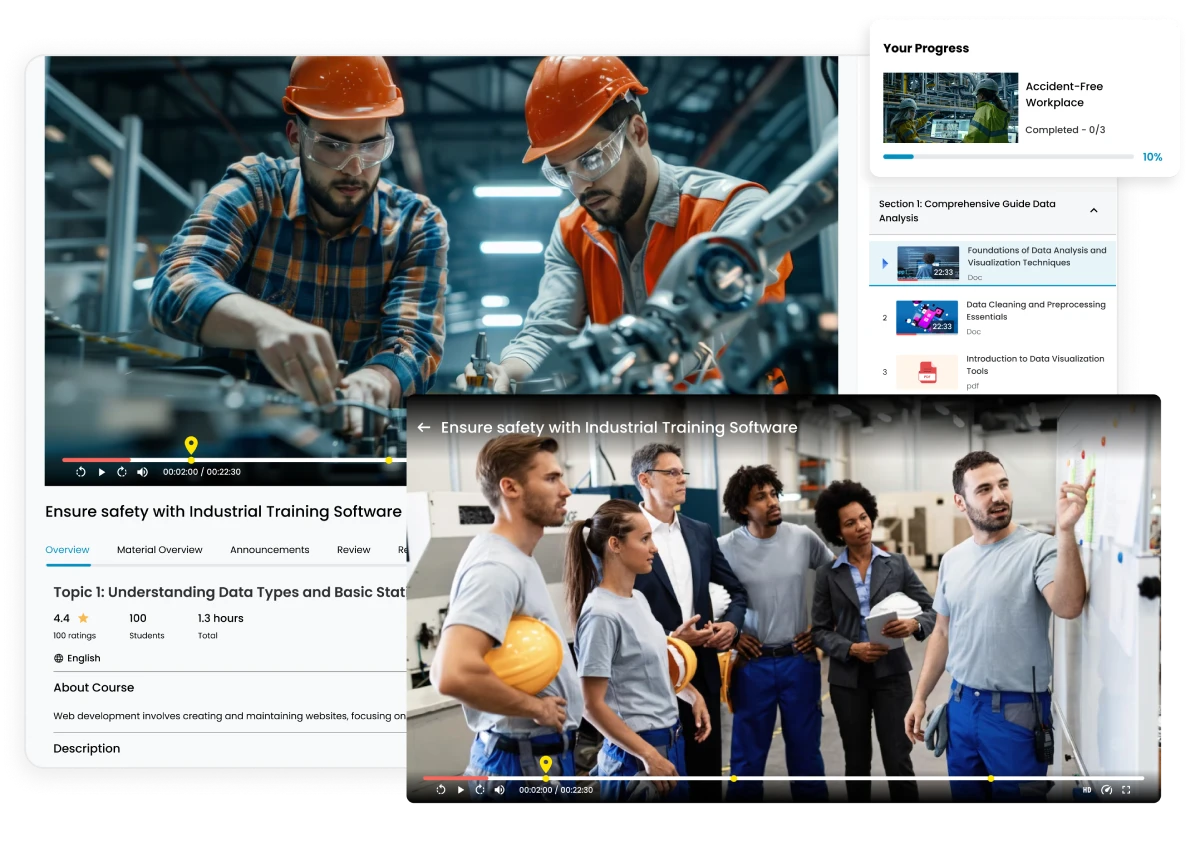
Accident-Free Workplace in Industry LMS
Industrial LMS Accident Prevention

Consistent quality output

Course-driven QA training ensures every worker follows the same protocols, minimizing defects and maintaining consistent product quality.
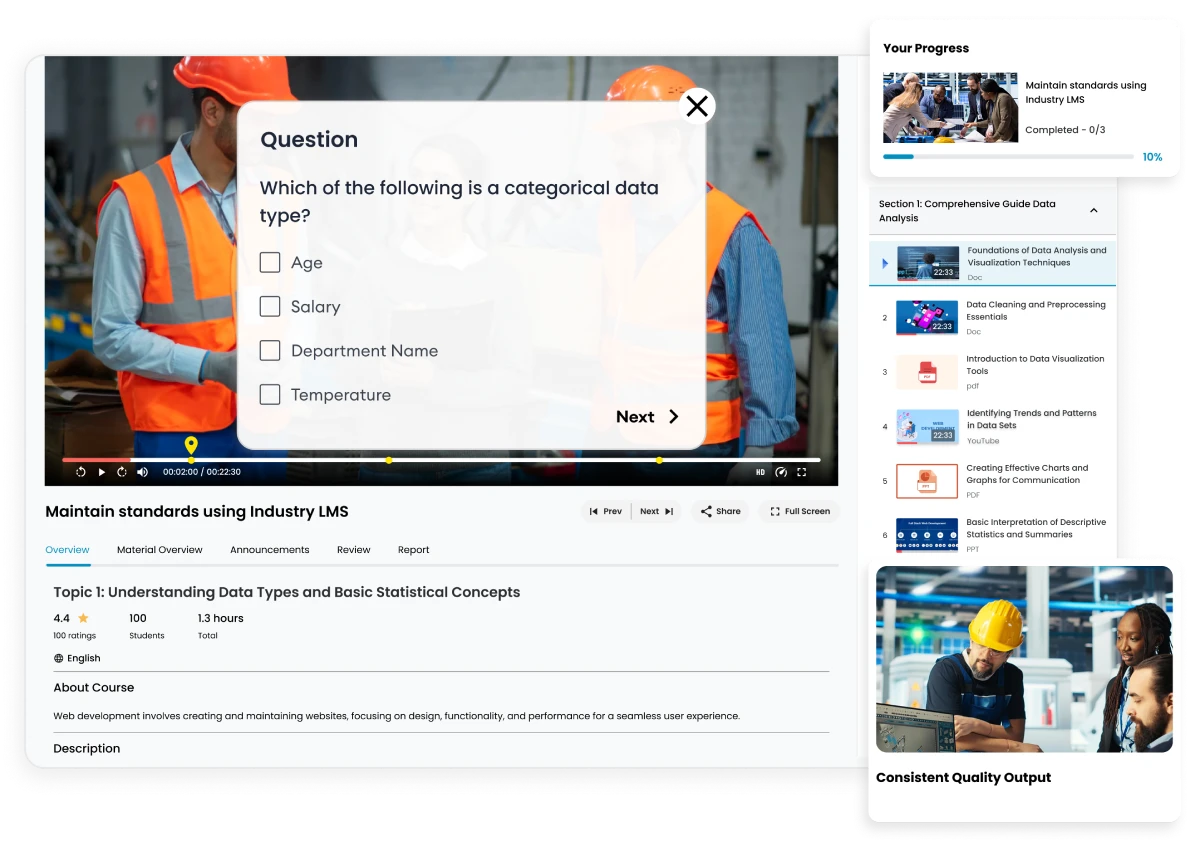
Consistent Quality Output in Industry LMS
Industrial LMS Quality Results

Scalable industrial training

Deploy industry-specific training across multiple plants and locations with multilingual and branch-based LMS features.
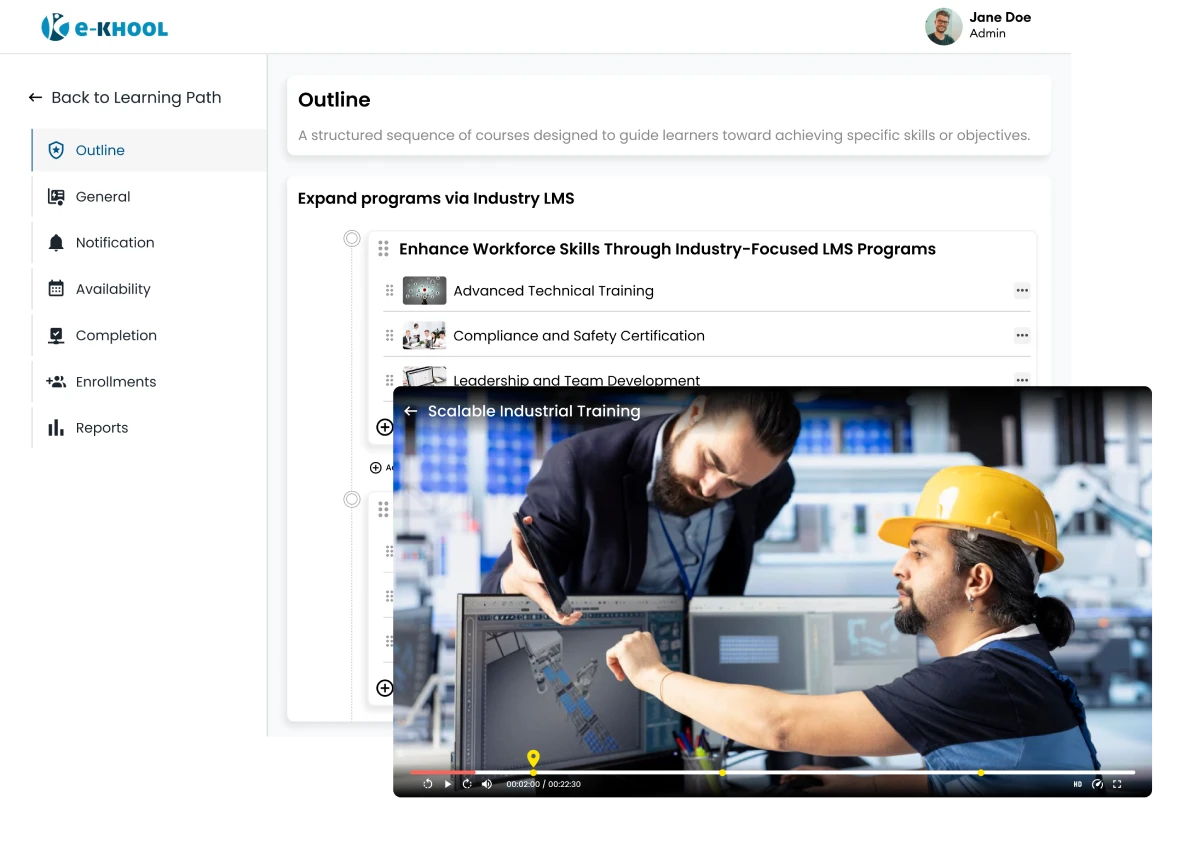
Industry LMS Scalable Industrial Training
Industrial LMS training scalablity
Reduced Equipment Downtime in Industry LMS
Industrial LMS Equipment Time Reduction

Transform workforce training with e-KHOOL LMS

Industrial success depends on skilled, safe, and compliant workers. e-KHOOL LMS ensures workforce readiness with real-world industrial training programs.

Digitize hazard response training

Create modules for fire safety, chemical handling, or electrical hazard management to prepare workers for emergencies.

Role-Based technical training

Deliver specialized learning paths for welders, machine operators, supervisors, and QA inspectors with hands-on learning simulations.

Multi-Plant certification management

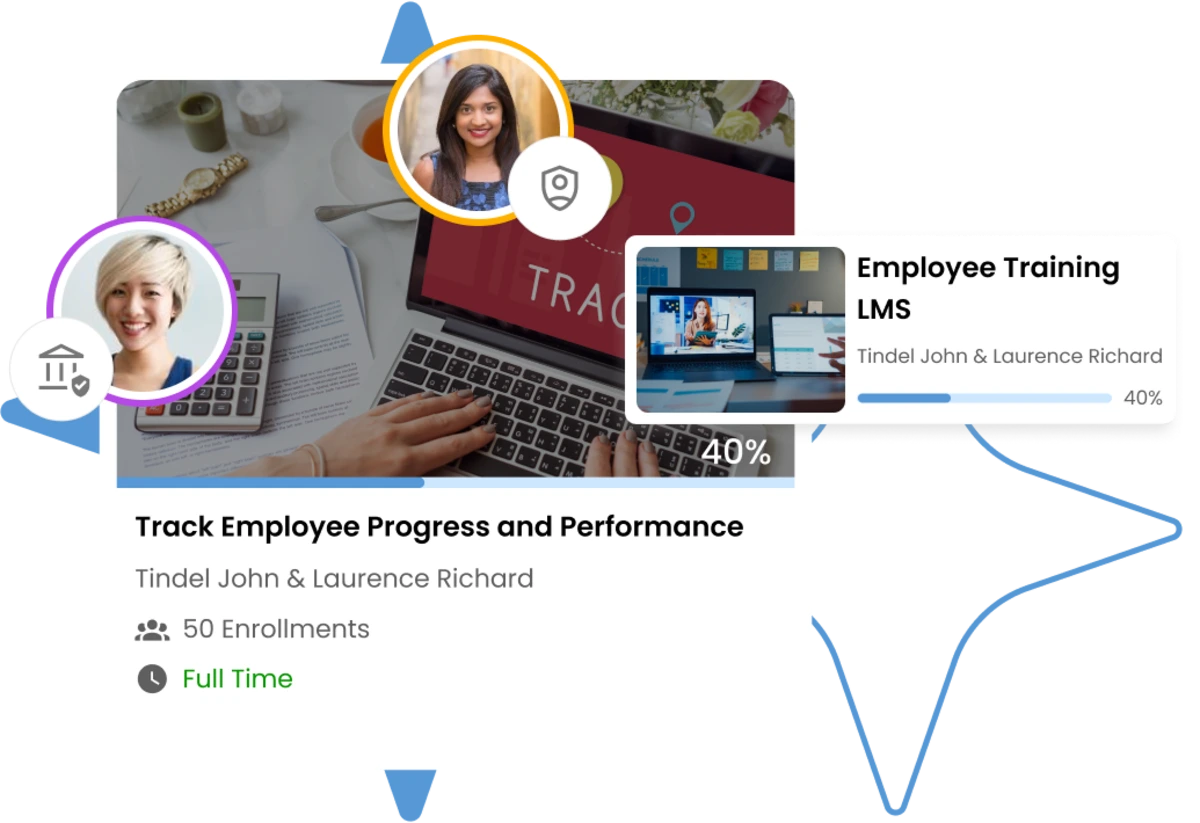
Track workforce certifications across plants, automate renewals, and stay audit-ready with industrial compliance reports.
FAQs

What is an LMS for industries?

It’s a platform that delivers compliance, safety, and equipment training tailored to industrial workers across plants and production units.

How does it improve worker safety?

By digitizing safety drills, hazard modules, and recertifications, workers are better prepared to prevent accidents and handle emergencies effectively.

Can multi-plant training be managed centrally?

Yes, e-KHOOL LMS supports multi-location training, enabling administrators to track certifications and compliance across different plants from one platform.

How does it reduce equipment downtime?

By training operators on preventive maintenance, machinery handling, and troubleshooting, the LMS reduces errors and improves machine efficiency.

Is training accessible across shifts?

Yes, shift-based learning modules allow employees to complete training anytime, without disrupting production schedules or plant operations.